
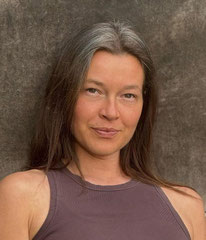
Inge Langwieser (Ukraine/Deutschland) ist 33 Jahre alt, wuchs zwischen zwei Welten auf und bewegt sich heute in vielen. Ihr Leben ist geprägt von Neugier, ständiger Weiterentwicklung und Begegnungen mit Menschen aus unterschiedlichsten Kulturen. Wie so viele andere ist sie auf der Suche nach ihrem eigenen Weg. Das Schreiben begleitet sie dabei seit jeher – durch die guten wie durch die schwierigen Zeiten und alles, was dazwischenliegt.
Deutsch
In einem Land aufzuwachsen, das zugleich deins ist und doch nicht ganz deins ist, begleitet einen wahrscheinlich ein Leben lang. Einerseits wünsche ich mir eine stärkere Verbindung zu meinen ukrainischen Wurzeln, andererseits möchte ich vollständig in die deutsche Gesellschaft integriert sein, in der ich lebe und zu der ich gehöre. Es ist ein kompliziertes Verhältnis, weil es wohl immer geteilt bleiben wird. Teile von mir werden immer mit meiner Herkunft verbunden sein, und bis heute entdecke ich Wahrheiten und Überzeugungen, die daraus entstanden sind.
Eine Sache, die mir als Kind oft auffiel, wenn ich nachmittags bei Freund:innen war, war zum Beispiel die unterschiedlichen Essgewohnheiten. Bei mir gab es mittags und abends warmes Essen, während meine deutschen Freund:innen abends oft „Abendbrot“ aßen – also einfach Brot mit verschiedenen Aufstrichen und Belägen. Kaltes Abendessen. Ich saß dann am Tisch und dachte manchmal, die Mütter seien vielleicht einfach zu faul gewesen, um zu kochen.
Etwas anderes, das mir bis heute passiert, betrifft Redewendungen. Ich habe viele Bücher gelesen und denke, dass ich sprachlich gut unterwegs bin. Ich achte darauf, Synonyme zu verwenden und möglichst wenige Anglizismen einzubauen, weil ich die deutsche Sprache als schön und lyrisch empfinde und sie gerne so erhalten möchte. Aber bei Redewendungen bin ich oft unsicher. Ich beginne mit der Hälfte einer Redewendung und beende sie mit der Hälfte einer anderen. Oder diese vielen biblischen Ausdrücke – ich bin zwar nicht christlich, verwende sie aber trotzdem manchmal unbewusst. Erst vor ein paar Jahren hat mich eine Freundin darauf aufmerksam gemacht, dass eine bestimmte Redewendung aus der Bibel stammt – wie viele andere auch. Es stört mich nicht, sie zu benutzen, aber ich möchte wissen, woher sie kommen, falls ich danach gefragt werde. Ich möchte sagen können: Ich weiß es, aber ich meine es nicht im christlichen Sinne.
Manchmal frage ich mich, ob ich mit offenen Augen durch die Welt gehe, dabei aber eine Art gefärbte Brille trage. Was, wenn alles, was ich für „mich“ halte – und auch der Ort, an dem ich lebe – bis heute von meiner Herkunft geprägt ist? Von meiner Erziehung? Ich bin mir ziemlich sicher, dass deutsche Kinder anders aufgewachsen sind. Natürlich werden wir alle von unserer Kindheit geprägt, aber bei mir scheint es eine zusätzliche Ebene zu geben. Bedeutet das, dass alles, was ich wahrnehme, immer zwei erste Eindrücke durchläuft?
Das wirft viele weitere Fragen auf. War es für mich dadurch immer schwieriger als für Kinder mit einer „geraden“ Biografie? Fragen wie: „Woher kommt meine Familie?“ Wie feiern wir Weihnachten? Auf welche Schule gehe ich? Welche Bildung steht mir zu? Soll ich meine Muttersprache behalten oder mich ganz auf meine erste Sprache konzentrieren und meine Herkunft hinter mir lassen? Darf ich meine Stimme erheben? Verstehe ich überhaupt, wie dieses Land funktioniert – und werde ich es je vollständig verstehen?
Versteh mich nicht falsch: Ich stelle meine Herkunft nicht infrage. Ich weiß, dass sie zu mir gehört. Aber als Kind konnte ich oft nicht wirklich darauf antworten, wenn ich danach gefragt wurde. Fühlst du dich eher deutsch oder eher ukrainisch? Kannst du etwas aufrussisch sagen? Für andere hatte es immer etwas Faszinierendes daran, dass ich eine weitere Sprache sprach. Sie waren überrascht, weil man es mir weder am akzentfreien Deutsch noch an meinem deutsch klingenden Nachnamen anmerkte. Manchmal wurde ich gefragt, ob ich Polin oder Slowakin sei, weil mein Gesicht angeblich eine bestimmte Form habe. Ehrlich gesagt war ich darüber oft froh – ich wollte nie wie eine „deutsche Kartoffel“ aussehen. Gleichzeitig wünschte ich mir manchmal einfach, dazuzugehören, ohne aufzufallen.
In der Schule erzählten andere Kinder von ihren Nachmittagen oder von dem, was man während der Winterferien unternahm: Sie sprachen von Reitunterricht, Klavierstunden, Wochenendausflügen ins Schwimmbad mit großen Rutschen. Ich erzählte selten von meinen ereignislosen Tagen. Meine Wochen waren anders. Ich hatte kaum Freizeitaktivitäten, und meine Eltern zu überzeugen, für Gitarrenunterricht zu zahlen, war schwierig. Am Wochenende wurde ausgeschlafen, und der Tag verlief ruhig,ohne große Unternehmungen. Winterferien bedeuteten für mich: draußen spielen, solange noch Schnee lag, Hörspiele hören und am Fenster sitzen, nur mit den Lichtern des Weihnachtsbaums. Andere besuchten ihre Großmütter, aßen Kuchen (meine Oma konnte nicht gut backen) oder fuhren Ski. Reisen konnten wir uns kaum leisten, und heute weiß ich auch, dass meine Eltern gar nicht wussten, wie man günstig reist.
Einmal fuhren wir nach Ungarn und trafen dort meine Großmutter mütterlicherseits, die mir eigentlich fremd war, weil ich sie nur wenige Male gesehen hatte. Für mich war es die schönste Reise überhaupt – meine Eltern erinnerten sich später eher an eine billige und unangenehme Unterkunft. Als Kind merkt man solche Dinge nicht wirklich.
Nicht aus dem Land zu stammen, in dem man aufwächst, hat viele Bedeutungen. Erst vor zwei Jahren lernte ich auf einer Reise in Spanien eine Freundin kennen, deren Vater Italiener und deren Mutter Deutsche ist. Sie sagte: „Als Kind von Migrant:innen wächst man mit einem ständigen Gefühl von Schuld auf.“ In dem Moment konnte ich das sofort nachvollziehen. Eine Schuld, die unsere Eltern empfunden und an uns weitergegeben haben. Verdienen wir die gleiche Bildung wie Einheimische? Die gleichen Jobs? Wir kommen aus schwierigen Verhältnissen, und bleiben doch oft Fremde. Ich habe gelernt, mich anzupassen, nicht aufzufallen. Es wurde nie direkt so gesagt, aber ich wusste: besser still sein, Autoritäten sprechen lassen, Eltern, Lehrer, praktisch jeden, der älter und klüger war. Erst später habe ich verstanden, dass Alter nichts über Weisheit aussagt.
Vielleicht hat mich dieses unterschwellige Schuldgefühl oft zurückgehalten, meine Fähigkeiten klein gehalten, andere vorzulassen, bevor ich selbst etwas wagen konnte.
Das klingt, als wäre ich sehr streng erzogen worden. Aber ich kannte es ja nicht anders. Heute weiß ich: Meine Eltern hatten es schwer, in ein Land zu kommen, dessen Sprache sie nicht sprachen. Sie haben bei Null angefangen und viel gearbeitet,so viel, dass ich sie unter der Woche kaum sah.
Es gab noch eine andere Form von Schuld, die mir vermittelt wurde: Wenn ich mich „danebenbenahm“ oder ihre Opfer nicht ausreichend würdigte, wurde ich daran erinnert, wie mein Leben ausgesehen hätte, wären sie nicht geflohen. Das ist eine große Last für ein Kind – vor allem, weil ich heute weiß, dass es nicht die ganze Wahrheit ist. Natürlich wollten meine Eltern auch für sich selbst ein besseres Leben. Aber oft wirkte es, als hätten sie alles nur für uns getan. Schuld, Schuld und noch mehr Schuld.
Ich bin keine Psychologin und weiß nicht genau, wie sehr mich das heute prägt. Aber ich merke, dass ich inzwischen mehr einfordern kann als früher. Jeder Mensch verdient mehr, als er glaubt, außer vielleicht, wenn er egoistisch und rücksichtslos handelt. Meine Familie hätte auch mehr einfordern dürfen. Aber so funktioniert unsere Gesellschaft oft nicht. Hilfe bekommt man nur, wenn man aktiv danach sucht – aber wenn es darum geht, zu arbeiten oder Steuern zu zahlen, geht alles ganz schnell.
Vielleicht klingt das pessimistisch, aber so bin ich geprägt worden. Niemand hilft dir, wenn es ihm nichts bringt. Das Leben ist hart, also kümmere dich um dich selbst. Du sollst es einmal besser haben als wir. Das setzt uns Kinder von Migrant:innen unter Druck. Dankbarkeit für etwas zu empfinden, um das man nie gebeten hat, kann sich sogar ins Gegenteil verkehren. Dabei ist Dankbarkeit eigentlich etwas Schönes. In konservativen Familien wird Dank oft gar nicht ausgesprochen – man hilft sich einfach, weil man Familie ist. Aber heißt das, dass man immer helfen muss, egal ob man will oder nicht? Zum Glück habe ich gelernt, das anders zu sehen, und ich sage heute gerne und bewusst „Danke“.
Es braucht viel Nachdenken, um zu solchen Erkenntnissen zu gelangen. Vor allem muss man das, was man gelernt hat, hinterfragen. Wenn man versteht, woher die eigenen Überzeugungen kommen, kann man neue, gesündere entwickeln. Das fühlt sich befreiend an, als würde man die Vergangenheit hinter sich lassen und sich mehr selbst werden.
Ich lehne meine Herkunft nicht ab, im Gegenteil. Je mehr ich mich selbst verstehe, desto näher komme ich ihr. Ich interessiere mich für unsere Traditionen, möchte wissen, warum es sie gibt, und sie manchmal wieder aufleben lassen.
Es gibt auch Dinge, die ich daran schätze, nicht „nur deutsch“ zu sein. Ich bin zweisprachig aufgewachsen, was mir das Lernen weiterer Sprachen erleichtert hat, zumindest glaube ich das. Vielleicht hatte ich auch einfach immer ein Talent dafür.
Was ich weniger verstehe, ist diese Verpflichtung bei familiären Anlässen. Mein Bruder erzählt oft, wie er seine Freundin zu entfernten Verwandten begleitet, zu Geburtstagen oder Hochzeiten von Menschen, die sie kaum kennt. Für mich ist das fremd. Selbst seit meiner Tante mit ihren Kindern aus der Ukraine nach Deutschland geflohen ist und nun ganz in der Nähe lebt, gehe ich selten zu Familienfeiern. Ich kenne nicht einmal die Namen der Kinder meiner Cousins und Cousinen,manchmal frage ich mich, ob ich mir insgeheim mehr Nähe wünsche, gleichzeitig möchte ich mich nicht verpflichtet fühlen, Zeit mit Menschen zu verbringen, nur weil wir verwandt sind.
Meine Erziehung war also nicht immer konsequent. Einerseits: Familie steht über allem. Andererseits: Wenn sie dir nicht guttun, kannst du dich auch davon distanzieren. Eine Frau soll Mutter und Ehefrau sein, zugleich aber unabhängig und beruflich erfolgreich. Ich habe viele widersprüchliche Botschaften erlebt. Und trotzdem war nicht alles schlecht.
Am Ende weiß ich: Meine Eltern haben ihr Bestes gegeben, um uns den Weg zu ebnen. Aber ich wünschte, sie hätten auch mehr auf sich selbst geachtet. Heute höre ich oft Sätze wie: „Für mich ist es zu spät, aber du bist noch jung – mach etwas daraus.“
Aber weißt du, was ich wirklich will? Einfach auch mal treiben dürfen. Denn wer kann schon sagen, wie man dieses Leben „richtig“ lebt? Egal, woher wir kommen,wir alle verdienen inneren Frieden. Und dieses ruhige, beständige Lächeln. Von innen heraus.
Übersetzt von Sarita Jenamani
Englisch
Growing up in a country that is yours but not yours at the same time will probably stay with you for the rest of your life. In one way I would like to have more connection to my Ukrainian roots, in another way I want to be fully integrated into the German society I belong to and live in. I guess it’s a tricky relationship, because it will always be split. There will always be parts of me that are connected to my descent, and to this day I am still uncovering truths and beliefs that come from that.
One thing I often experienced as a kid in school when I spent my afternoons with friends, was the different eating habits for example. For me, lunch and dinner would both be cooked food, while my German friends often had „Abendbrot“ for dinner, which is just bread with different spreads and toppings. Cold dinner. I would sit at the table and think that the mothers must have been too lazy to cook maybe.
Another thing that still happens to me is when people say sayings. I have read a good deal of books in my life and I think my spoken language is good, I make sure to use synonyms and few to no anglicisms, because I think that German is a beautiful lyrical language and I would like to keep it that way. But when it comes to sayings, I’m often lost. I will begin with the half of one saying and finish with the half of another one. Or you know how there are many biblical sayings? Now I’m not a Christian, but still I happen to use them unknowingly. It was just a few years ago that my friend made me aware of the fact that a certain saying came from the bible, as did many others. I don’t mind using them, but I do want to know the origins of them, in case I get asked about it. I want to be able to say, I know, I don’t mean it in the Christian way.
So basically I wonder if I go through this world with my eyes open, but sometimes wearing tinted glasses, you know? What if all I believed to be me, and the place I live in now, both have to this day been colored by my descent? My upbringing? I’m pretty sure, German kids were brought up in a different way. Of course, we are all influenced by how we were brought up, but in my case there seems to be an extra layer. Does that mean, that everything I perceive always undergoes two first impressions?
It brings up many more questions. Has it in this case always been harder for me than for kids with a straight record? I mean as in questions like: Where does my family come from, how do we celebrate Christmas, which school will I be going to, what education do I deserve, should I keep my mother tongue or keep getting better at my first language and forget about where my ancestors come from? Am I allowed to speak up? Maybe I don’t fully understand how things are run in this country and never will?
Don’t get me wrong, I don’t question my origin, I know it is something that belongs to me. But when I was asked about it as a kid, I could never really answer. Do you feel more German or more Ukrainian? Can you say something in Russian? There was always a fascination about it for other people when I told them about knowing another language. They would be impressed and surprised, as from my accent free German and my German sounding last name no one could ever tell. Occasionally I met people asking me whether I was Polish or Slovakian, because apparently my face has a certain shape. And honestly, I am glad about this, I often thought that I don’t want to look like a German potato. At the same time sometimes I wished to just blend in. When in school we were talking about how we spent our afternoons or where we went during winter break, everyone said things like, Tuesdays I go to my horse riding training, Wednesdays I get piano lessons and on the weekend my parents took me to a swimming pool all day with lots of different slides to ride. I rarely spoke up to tell about my uneventful days. My weeks were different. I almost never had any after school activities, it took a lot of persuasion to get my parents to pay for guitar lessons, and on the weekends my parents would just sleep in and go on with a regular day just being happy not having to go anywhere, so no activities here. Winter break? Playing outside when there was still snow, listening to my favorite radio plays and sitting by my window with only the Christmas lights on. Other kids went to see their Grandma (one lived with us in Germany, the other one in Ukraine), eating her delicious cake (my Grandma’s cakes where never nice), or going skiing with the family. Going on holidays was something we could never really afford, but now I also know that my parents never knew how to do low budget traveling. I was part of calculations, whether we could afford a bungalow somewhere for a week or two, dreaming about going on a holiday, which in the end we rarely did. Once my parents took me and my brothers to Hungary, where we met up with my mother’s mother, who to me had always been a stranger, as I had seen her maybe four or five times in my life. I remember this to be the best trip ever whereas my parents later spoke of it as of a cheap and dirty stay in someone’s home that they rented out for tourists. I guess everything was cheap around there, but as kid you can’t really tell, can you?
Not coming from the country you grow up in bears a lot of meaning. Only two years ago I met a new friend while traveling Spain, whose father was Italian and mother was German. She told me that, as a migrant’s child we grow up with constant guilt. Guilt our parents felt and transferred on to us. The moment she said it I could relate. Do we deserve the same education as the locals? The same jobs? We came here as refugees of inhumane systems or societies with no future, but somehow we will always be strangers here. I was taught to fall in line, to blend in, the less I attracted attention, the better. It’s not like I was told these exact words, but I knew to shut up and let authorities speak, which were parents, teachers, pretty much anyone that was older and therefore wiser. Little did I know that age means nothing when it comes to intelligence. Maybe secretly this guilt was what often made me hold back myself and talents, be quiet and let others take their chances first before I would.
This all sounds as if I was brought up in a very strict way. I mean, I don’t know it any other way. I know now, my parents had a hard time coming to a country they didn’t even know the language of. Starting from zero, working so much it felt like I hardly saw them during the week.
There was a different guilt I was taught to feel. Whenever I „acted out“, when in their perception I didn’t appreciate my parents’ sacrifice, my father would scold me for not being grateful for it. Making me imagine what my life would have been like, had they not fled to a different country, for us, their kids. I think it is a very big burden to bear for a child, especially knowing today that this is not the whole truth. My parents hoped for a good life for themselves as well, didn’t they? But they sometimes made it look like it was all just for us. Guilt, guilt, and some more guilt. Now I’m not a psychologist and I don’t know how this affects my life today, but I do realize that I get to ask for more than I used to. Everyone deserves more than they believe they do. Unless they are selfish and ignorant. My family should have asked for more. But unfortunately this is how society often works. When it comes to getting help, you really have to look for it. When it comes to giving something to society like your work force or paying taxes, they are quick, I tell ya! See, this is how pessimistic I was brought up, I even believe this myself. That no one will help you, unless there is a benefit in it for themselves. Life is hard, make sure to take care of yourself, you should have a better and easier life someday than we did, were statements I grew up with. Which puts a lot of pressure on us migrant kids, right? Being grateful for something you never asked for makes you develop an aversion to thankfulness. It’s twisted. Gratitude is a beautiful thing, but in conservative families, at least that is what I believed, a „Thank you“ never is in order, because we are family and therefore we help each other out without a question. So you are forced to help people, whether you like them, whether they are good to you, or not? Thankfully I learned to strongly disagree and love saying „Thank you“ these days.
It takes a lot of thinking and overthinking to come to some realizations. First of all, reconsider all the things that you were taught when being brought up, because you are able or you even should question them, and once you understand, where your believes come from, you can create new and healthy ones. And it feels freeing like finally leaving an unpleasant past behind you for good. Like becoming the person that you are within yourself. I don’t deny where my family comes from, on the contrary I am coming closer to my origin the more I discover my own heart and believes based on the life I have led so far. I am interested in our traditions, I want to know why, I even want to revive them from time to time.
There are things I really like about not being „just German“. I grew up speaking two languages at the same time which made me learn other languages effortlessly. At least it makes sense to me for this to be helpful. Or maybe I always had a knack for it, maybe some part of my brain has always been predestined to learn foreign languages more easily than others.
Also I feel there is a strictness when Germans visit relatives on special occasions. My brother often tells about how he accompanied his girlfriend to her great grand aunt’s 87th birthday or some cousins wedding that the girlfriend doesn’t even know very well herself. It seems to be a thing. When relatives celebrate, you go. I don’t get this. Some years ago, when the war in Ukraine started, my aunt and all her kids fled to Germany, having wanted to escape Ukraine long before that, and now they live very close to my parents. Still I never attend anyone’s birthday, I don’t even know my cousins’ kids names. I do wonder if secretly I have always wanted to have a closer family bond, but on the other hand I don’t want to feel obligated to spend time with people whose company I may not really enjoy, just because they are family.
So you can imagine my upbringing wasn’t very consequent. You have to be faithful to your family. But hey, if they suck, you can just forget about them. A woman should be a wife and mother first and foremost, but also I should be able to work in any job I ever wish for and lead a happy life, even if I don’t make my own family. Which is life’s purpose, did you know? I experienced a lot of carrot and stick situations and I bet I still carry my marks from those, but it cannot all be bad.
In the end it’s like this. I know my parents tried their best, to pave the way for us, but I do wish they had taken more care of their own needs as well. Today I hear a lot of regretful speaking, like, it is too late for me now, you are still young, go and make something of it! Make the most of your opportunities.
But do you know, what I really want? Just let me be, let me float every now and then, because who’s to say how to live this life right? No matter, where you come from, I think we all deserve peace in our hearts and a constant serene smile. From within and from outside.